
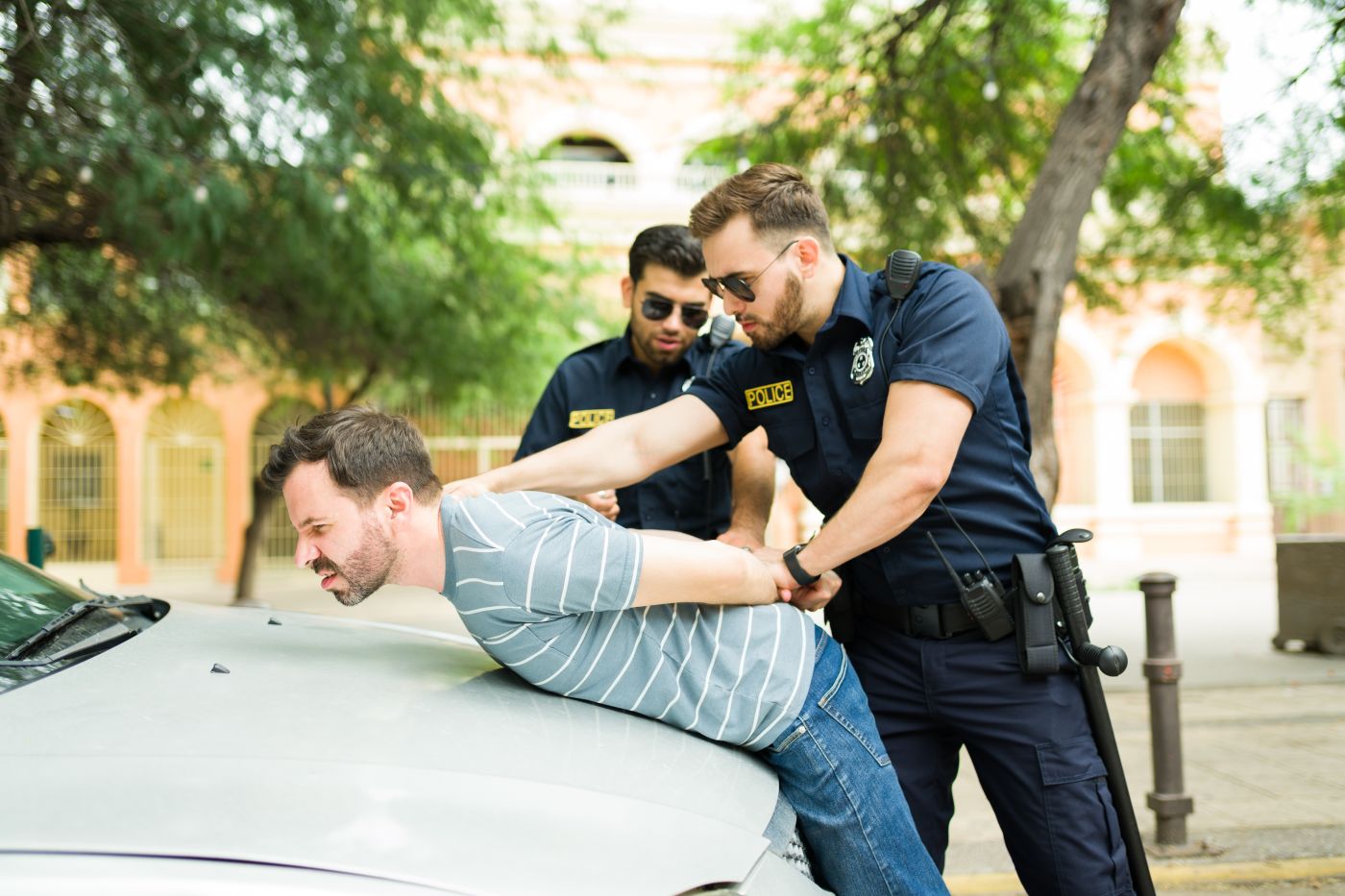
When law enforcement officers violate your rights, it's common to feel betrayed, terrified, and powerless. Experiencing misconduct at the hands of those sworn to protect and serve can be traumatic, and it takes immense courage to stand up, speak out, and hold powerful authorities accountable. Building a strong, evidence-based legal strategy is the critical first step toward getting justice.
The McCallister Law Firm passionately advocates for individuals who have suffered severe civil rights violations, and Attorney Brian F. McCallister understands how to gather the necessary evidence to build a strong police abuse case. Located in Kansas City, Missouri, the firm serves clients throughout the surrounding areas. Reach out today to schedule a free consultation and discuss the evidence that can support your claim.
Audio and Video Evidence
Visual proof often serves as the most undeniable component of a civil rights claim. When an incident occurs, raw footage provides an objective look at how officers behaved. Audio recordings may also capture aggressive language, threats, and the exact timeline of events as they unfolded.
Gathering this media quickly is vital before it disappears or is lost. Several common sources consistently provide strong visual and audio proof for these legal claims:
Body camera footage: Officer body cameras provide a first-person perspective of the officer's actions and reactions.
Dashcam recordings: Police cruisers often record the moments leading up to and during an intense encounter.
Bystander videos: Cell phone recordings from witnesses offer unfiltered, third-party viewpoints of the event.
Surveillance cameras: Nearby businesses, parking lots, or residential doorbells frequently catch the interaction on tape.
Getting digital evidence requires prompt action, as police departments don't always release it to the public. A swift response can help prevent the destruction of key footage. Once obtained, this media often serves as the backbone of your case.
Medical Records and Physical Evidence
If you have suffered physical harm from police abuse, seek immediate medical assistance. Medical files help establish a direct, undeniable link between an officer's actions and the specific injuries you sustained. They also show the severity of the trauma, the required treatments, and the resulting financial costs.
An experienced Kansas City personal injury lawyer can advise you when seeking medical attention, even if your injuries don't seem severe. The following types of physical and medical evidence are highly valuable when proving excessive force:
Emergency room reports: These documents detail the immediate aftermath of your injuries, the initial diagnosis, and any urgent treatments.
Photographs of your injuries: Pictures taken shortly after the incident can show bruising, lacerations, or other visible harm.
Torn or bloody clothing: Preserving the garments you wore during the event helps demonstrate the level of physical force used.
Ongoing treatment records: Physical therapy logs or psychological counseling notes help prove the long-term impact of the traumatic encounter.
Juries and judges rely heavily on these objective medical facts during a trial or settlement negotiation. Medical records can challenge subjective opinions by showing the tangible, painful results of excessive force. Without this documentation, proving the true extent of the harm you suffered can be significantly harder.
Witness Statements and Independent Testimony
While video footage is incredibly helpful, independent witnesses bring powerful context to a police abuse claim. Bystanders who saw the interaction can corroborate your version of events. Their unbiased accounts help counter any false narratives pushed by law enforcement officers.
To obtain witness statements, you will need to gather contact information from onlookers at the accident scene. Memories can fade quickly, so don't wait to record these statements. Sworn affidavits from these individuals carry significant weight during negotiations and litigation.
Even passengers in your vehicle or neighbors can provide useful testimony. They can speak to the officer's tone, the lack of provocation, and the escalation of violence. Their statements help paint a complete picture of the officer's unreasonable behavior.
Police Reports and Internal Disciplinary Records
Officers write reports after every major incident, and these documents often contain inconsistencies. When an officer tries to cover up police abuse, their written statements may contradict what actually happened. Identifying these inaccuracies helps create a strong foundation for a civil rights lawsuit.
Beyond the immediate incident report, you can also question an officer's professional background. Accessing internal department files can reveal a long-standing pattern of problematic, aggressive behavior. Some primary types of departmental records that can support your claim often include the following:
Past complaints: Prior citizen grievances that show a history of aggressive tactics.
Use-of-force reports: These documents show how often the officer resorts to using physical violence.
Training records: A lack of proper de-escalation training highlights departmental negligence and poor oversight.
Disciplinary files: Previous suspensions or reprimands prove the police department knew about the officer's dangerous behavior.
Obtaining these internal files typically requires you and your attorney to submit a formal request for information, a court order, or a subpoena. Police departments fiercely guard internal records, so you usually can't access them without legal support. Uncovering a documented history of violence can shift the focus of your case onto the department's failure to intervene.
Contact an Experienced Personal Injury Attorney in Kansas City
Moving forward after suffering mistreatment at the hands of law enforcement is rarely easy. Healing from the physical wounds and deep emotional scars takes time, resources, and patience. However, taking action against those responsible can provide the compensation you need to recover and help protect others from similar harm.
Building a comprehensive case demands careful attention to detail and a relentless pursuit of the facts. An experienced Kansas City police abuse attorney will fight for you to hold reckless officers and negligent departments accountable.
Don't fight the justice system alone. Contact The McCallister Law Firm today to schedule a free consultation. Located in Kansas City, Missouri, Attorney Brian F. McCallister serves clients throughout the surrounding areas.